The way Rachel Carson has written this book is amazing. She delivers her information and thoughts in a way that made me agree with everything she said. Carson put human actions into a different perspective than we hear about on a daily basis; and I think that is what made this book so popular.
There was a quote in her book that perfectly worded thoughts that I've had before. This quote was "Only within the moment of time represented by the present century has one species- man- acquired significant power to alter the nature of his world." This interested me becuase very rarely do we compare the differences between the wilderness and civilization (mostly because people rarely go into the wilderness). And, when people do see the differences, I wonder if they realize how those differences came about. Or if they realize that if human beings were not part of this planet, all of the roads we travel on, vehicles we travel in, technology we use, buildings we see, would not exist! It's a kind of scary thought to me. Even though a lot of the inventions that exist have helped humans and even some plants and animals (so we think), in many cases the inventions are being used to help something that was destroyed by other inventions. So, I guess that means that all our inventions are just causing a chain of improvement, destruction, improvement, destruction, and so on and so on. So I wonder, if we never invented anything (to attempt) to make our life easier, then wouldn't there would be less destruction of the living things on earth, which would limit the new inventions? Rachel Carson said something that related to this idea of our inventions destructing life. She was talking about how chemical pesticides are like a "war"; and they end up doing more harm than good in the long run. She wrote, "the chemical war is never won, and all life is caught in its violent crossfire." She said this while explaining how when chemical pesticides are sprayed on plants, either humans eat the chemical invested crop, or a plant eats the crop; which will eventually be killed to become food for human beings. I think its pretty gross to think about. But this really shows the true "circle of life" theory, and demonstrates each species' dependency on others in order to survive. While reading this book, it opened my eyes to the reality of many issues and habits that society has formed that harm the entire "circle of life" without even knowing it.
Showing posts with label Journal. Show all posts
Showing posts with label Journal. Show all posts
Sunday, February 21, 2010

Thursday, February 11, 2010
Environment 8- Greenpeace

Greenpeace is an organization that wants to bring attention to the environmental destruction in a peaceful, non-violent way (sound familiar?... MLK) to raise the quality and level of environmental debate. They call attention to their concerns via interesting photography, videos, campaigns, and many others.
While browsing through this website, I actually learned a lot. Greenpeace does a good job of informing the public of the dangers and damage of the Earth in an easy and interesting way. They show ways of making a difference using minimum effort. The website describes what is happening, how that negatively affects us and the Earth, and how to change.
All of the pictures were really touching. It puts what we hear into perspective... and I think that's one of the reasons Greenpeace uses pictures and videos so much to demonstrate their beliefs. We all hear of polar bears dying because of the melting ice caps... but to me, it's almost as if it's an imagination, or a story. But when I saw pictures of the big white bears roaming around their melting "homes", I really touched and inspired me.
While browsing through this website, I actually learned a lot. Greenpeace does a good job of informing the public of the dangers and damage of the Earth in an easy and interesting way. They show ways of making a difference using minimum effort. The website describes what is happening, how that negatively affects us and the Earth, and how to change.
All of the pictures were really touching. It puts what we hear into perspective... and I think that's one of the reasons Greenpeace uses pictures and videos so much to demonstrate their beliefs. We all hear of polar bears dying because of the melting ice caps... but to me, it's almost as if it's an imagination, or a story. But when I saw pictures of the big white bears roaming around their melting "homes", I really touched and inspired me.
If these pictures could inspire me from just one look they could inspire others.
How can Greenpeace use their pictures to inspire others to save the planet and animals without effort from the citizens?
My idea: instead of using billboards for business advertisements, why don't evironmental organizations use them to advertise for a better Earth?... it could work.
Monday, February 8, 2010
Environment 6- Short story "I" by Baron Feather Pen
In this short story, the narrator is describing each planet in the universe as a character. Each planet orbits in harmony. All the other planets discussed the health of their brother, Earth. One of the planets say that Earth is in complete environmental disharmony and they must do something about it. Another one says that they cannot do anything to help because it will disturb the planet's harmony. Uranus said that he "faithfully believes that we are all connected, and our existence has only significance if we help each other, and he was able to travel to the Third Knight Earth in a mission to save the planet" Mercury replied saying that beings "who have the desire to do something is also their need to manifest their higher and true self. We admire beings that possess these qualities and we believe we have to serve them because they are the ones who transform and make the greatest changes for the benefit of our universe." So, Uranus's spirit was sent to Earth where a man named Frederic presented the importance of the green plan to many citizens. The citizens were touched after listening to Frederic's speech.
It's really cool how the author made each planet a character. It puts the idea that everything we do effects everything- not only in our world- but in the universe. We could do so much to help our environment... but we don't. Why don't we?... I think we're too lazy. We have formed habits and if we were to change everything... it would take a lot of time and effort. But... if one person is dedicated enough to their beleifs, then it is possible for THAT person to make a difference... just like Uranus and Frederic did.
http://www.helium.com/items/1028159-short-stories-environmental-issues?page=2
It's really cool how the author made each planet a character. It puts the idea that everything we do effects everything- not only in our world- but in the universe. We could do so much to help our environment... but we don't. Why don't we?... I think we're too lazy. We have formed habits and if we were to change everything... it would take a lot of time and effort. But... if one person is dedicated enough to their beleifs, then it is possible for THAT person to make a difference... just like Uranus and Frederic did.
http://www.helium.com/items/1028159-short-stories-environmental-issues?page=2
Environment 5- pesticides
Does it make sense that a chemical pesticide that was banned from our country due to its harmful affects has not stopped us from selling it to other countries? Do poeple know the Earth in the US is the same Earth as the one across the world?... So why does this happen?.. Are people really so concerned about making money that they dont think about what earning that money does to their environment; to their health; to their family?
The chemical DDT and other chemical pesticides were used in the U.S. Eventually, the Environmetal Protection Agency banned the use of these harmful chemicals in the United States. However, the companies who produce these harmful chemicals and pesticides continue to sell them to other countries. Despite our knowledge of their harmful affects on the environment, we continue to produce and sell the chemicals to other countries... an entire third of the chemicals that these companies produce would be illegal if they were actually used in our country! If they were banned here becuase they are harmful... why is it okay for them to be used in other countries?
The chemical DDT and other chemical pesticides were used in the U.S. Eventually, the Environmetal Protection Agency banned the use of these harmful chemicals in the United States. However, the companies who produce these harmful chemicals and pesticides continue to sell them to other countries. Despite our knowledge of their harmful affects on the environment, we continue to produce and sell the chemicals to other countries... an entire third of the chemicals that these companies produce would be illegal if they were actually used in our country! If they were banned here becuase they are harmful... why is it okay for them to be used in other countries?
Friday, February 5, 2010
Environment 4- Pollution
The way we live our lives has greatly impacted the place we live in. As early as 1652, our country has seen the effects of our lifestyles on the environment. During the Industrial Revolution, the amount of pollution that was produced dramatically increased due to the factories and ways of disposing waste. Cities even dumped their waste directly into rivers, oceans, lakes, and other bodies of water. By 1945, the amount of synthetic materials used in manufacturing had an extreme increase. These synthetic materials were highly toxic and not biodegradable- this caused their negative effects to permanently pollute the land, water, and air. In that year, the United States produced one billion pounds of synthetic chemicals and by the 1980s, the United States produced four hundred billion pounds of these harmful chemicals per year which opens the door to the usage of many more possible pollutants. This relates to the one million tons of hazardous waste that was produced in 1945, and the disgusting two hundred and fifty million tons of hazardous waste produced in 1980.
Water pollution has become a major issue. In the 1960s, Lake Earie contained no aquatic life because the pollution levels were so high. In 1969 the Cuyahoga River in Clevland caught on fire! That means the the water in the river had to have been dominantly chemicals in order for in to ignite. That's crazy! That same year 235,000 gallons of crude oil spilled in Santa Barbara and killing tons of marine life and darkening the beaches. In 1989 11 million gallons of crude oil spilled in Alaska killing thousands of birds and sea animals. Through the media, activists showed pictures of the terrible events in hopes of improving the way citizens act environmentally. Unfortunately, some cities still dump their untreated sewage directly into water sources. Don't forget... this is what you drink from! This is also the home of thousands of animals and birds. In fact, due to the way we treat their home, an estimated one million seabirds die a DAY because of the pollution in the waterways.
Air pollution has also become a major problem. There are gases let into the air from cars and buses that use gasoline called hydrocarbons and nitrogen oxides. When these gases are reacted with sunlight, it causes a chemical reaction. This chemical reaction forms oxidants... the most common one made is ozone. This causes many health problems and is so harmful to the lungs that citizens with high levels of these oxidants are even warned to avoid exercising outside because these pollutants can damage the lungs if they are let in too deep from deep breathing. Unfortunately, 80 million people live in communites where the ozone is too high; damaging the lungs and health of many citizens.
Water pollution has become a major issue. In the 1960s, Lake Earie contained no aquatic life because the pollution levels were so high. In 1969 the Cuyahoga River in Clevland caught on fire! That means the the water in the river had to have been dominantly chemicals in order for in to ignite. That's crazy! That same year 235,000 gallons of crude oil spilled in Santa Barbara and killing tons of marine life and darkening the beaches. In 1989 11 million gallons of crude oil spilled in Alaska killing thousands of birds and sea animals. Through the media, activists showed pictures of the terrible events in hopes of improving the way citizens act environmentally. Unfortunately, some cities still dump their untreated sewage directly into water sources. Don't forget... this is what you drink from! This is also the home of thousands of animals and birds. In fact, due to the way we treat their home, an estimated one million seabirds die a DAY because of the pollution in the waterways.
Air pollution has also become a major problem. There are gases let into the air from cars and buses that use gasoline called hydrocarbons and nitrogen oxides. When these gases are reacted with sunlight, it causes a chemical reaction. This chemical reaction forms oxidants... the most common one made is ozone. This causes many health problems and is so harmful to the lungs that citizens with high levels of these oxidants are even warned to avoid exercising outside because these pollutants can damage the lungs if they are let in too deep from deep breathing. Unfortunately, 80 million people live in communites where the ozone is too high; damaging the lungs and health of many citizens.
Monday, February 1, 2010
Environment 3- Preservation Movement/ National Park Service
The preservation movement focused on the devastating decrease in America's wilderness areas. A true wilderness area is described as land that has not been affected by man and where man is only a visitor. In order to preserve the Earth's wilderness, the government created national parks like Yellowstone National Park and Yosemite National Park to maintain a clean environment for wildlife. The development of these national parks started the National Park Service in 1916 to protect and manage the development of national parks and monuments. This service promotes protection of the environment, historical sites, and the enjoyment and education of U.S citizens. The service plans parks, campground facilities, many other facilities for tourists to enjoy nature without harming the environment, and informs the public of the importance of the wilderness.
How have we learned?
Growing up, we learn from making observations. We learn from opportunity, cause and effect, and the experiences in our lives. The goal of the Preservation Movement and the National Park Service is clearly to set aside a certain amount "untouched" or "unharmed" land so no human is allowed to (further) destroy that land (for themselves) and animals have a clean place to live. Because these portions of land are owned by the government, there are forest rangers and other employees who are paid to take care of and clean the land. This creates a large, natural, clean, and free portion of Earth; the Earth that it was supposed to be. This allows animals to live in the healthy way that they were made to live. This allows humans to see the world as it was originally made; before there were cars, before there were houses and sky scrapers and pollution and cement and machines. The service is giving human beings the opportunity to experience the Earth as it was originally made. The service is giving human beings the opportunity to make observations. The service is giving human beings the opportunity to apply the observations they have made to their life outside of the natural Earth. They are able to see the effects of the way they learned how to live. And finally, they are given the opportunity to change; to prevent their effects from worsening.
But my question is... if we are "given these opportunities", then why hasn't there been any change?
How have we learned?
Growing up, we learn from making observations. We learn from opportunity, cause and effect, and the experiences in our lives. The goal of the Preservation Movement and the National Park Service is clearly to set aside a certain amount "untouched" or "unharmed" land so no human is allowed to (further) destroy that land (for themselves) and animals have a clean place to live. Because these portions of land are owned by the government, there are forest rangers and other employees who are paid to take care of and clean the land. This creates a large, natural, clean, and free portion of Earth; the Earth that it was supposed to be. This allows animals to live in the healthy way that they were made to live. This allows humans to see the world as it was originally made; before there were cars, before there were houses and sky scrapers and pollution and cement and machines. The service is giving human beings the opportunity to experience the Earth as it was originally made. The service is giving human beings the opportunity to make observations. The service is giving human beings the opportunity to apply the observations they have made to their life outside of the natural Earth. They are able to see the effects of the way they learned how to live. And finally, they are given the opportunity to change; to prevent their effects from worsening.
But my question is... if we are "given these opportunities", then why hasn't there been any change?
Friday, January 29, 2010
Environment 2- the begining
In 1980, the U.S Census Bureau report said "after centuries of settlement and development the American frontier had finally disappeared"
The report brought U.S citizens' attention to the environment because its affects on them they feared
The announcement came to many Americans as a shock
because they thought their country's land and resources would never run out of stock
The citizens realized that without any effort, the deficiency of natural resources will not form an improvement
So government agencies started a program to regulate and conserve remaining food, wood and water called the Conservation Movement
Gifford Pinchot brought the philosophy and practice of scientific management of natural resources to the attention of President Roosevelt- a republican red
who agreed with his idea, resulting in Congress' creation of the U.S Forest Service, Pinchot was appointed the head
The federal government retained almost 200 million acres of forests, a better environment as their motivation
and formed the idea of using natural resources but using them wisely which became known as utilitarian conservation
Thursday, January 28, 2010
Environment 1

"Shall we surrender to our surroundings or shall we make our peace with nature and begin to make reparations for the damage we have done to our air, to our land, and to our water?" - President Nixon
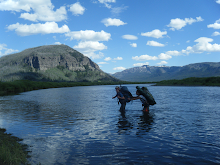
How much do we really need to survive? This summer I found the answer. I was backpacking in the Absaroka Mountain Range in Wyoming, east of Yellowstone National Park. There, in the midst of the legitimate purity of the Earth, I had bumped into the realization of our world's biggest flaw: the need for simplicity.
Simplicity- the freedom from complexity. (dictionary.com)
Today's life is full of plastic cups, plastic eating utensils, paper bags, plastic water bottles, paper towels, paper plates, plastic plates, plastic grocery bags, trillions of individually wrapped cookies; bags of chips; juice boxes; pop cans; candy bars; and the list goes on and on and on and ON. People leave the lights on in the room next to them so they don't feel lonely, the water on in the shower so the temperature can heat up to perfection, and their computer(s) on so they don't have to waste a precious second of their day waiting for it to load. People drive to their neighbors house, to the store across the street, to the park because G-d forbid they use up an ounce of energy or use a minute or two of their day to walk or bike. We want what is most convenient in the moment and what will take less time and energy. I admit to it too; I'll go as far as putting clean clothes in my dirty clothes hamper because I don't feel like folding them up and putting them away! But what does that do?... it wastes gallons of water and causes me to use products (chemicals) that I would not otherwise NEED to use. I'm lazy. We're all lazy. But what we all need to learn is that the moment's pleasure is NOT the ultimate satisfaction; what feels good in the moment is not always what I'll be satisfied with in the long run.
Is the simplicity in the moment worth taking away the simplicity of pure nature and life?
We use land to store the tons of garbage humans waste per minute. But what will happen when there is no more land to store it all? Where will the animals live? How will they live with all the toxic waste and the plastic taking place of their home and their food? We don't need all of the wrappers and plastics we use to eliminate the "pain" of cleaning... do we? Do we need to drive as much as we do? Isn't it nice to sometimes take a beautiful walk outside?... or does the litter and smoke and horrible smell of gasoline disturb us? As humans, we have abused our knowledge and taken our desire for simplicity too far. The Earth... life and nature doesn't remain the way it was made to be. The smell, feeling, sight, and life in the Absarokas was incredibly different than the smell, feeling, sight, and life here. It makes me sad. People need to start thinking: is the elimination of hard work worth the elimination of the Earth as it was made? Does the popular desire for a more simple life take away life's simple pleasures?
How much do we really need to survive? This summer I found the answer. I was backpacking in the Absaroka Mountain Range in Wyoming, east of Yellowstone National Park. There, in the midst of the legitimate purity of the Earth, I had bumped into the realization of our world's biggest flaw: the need for simplicity.
Simplicity- the freedom from complexity. (dictionary.com)
Today's life is full of plastic cups, plastic eating utensils, paper bags, plastic water bottles, paper towels, paper plates, plastic plates, plastic grocery bags, trillions of individually wrapped cookies; bags of chips; juice boxes; pop cans; candy bars; and the list goes on and on and on and ON. People leave the lights on in the room next to them so they don't feel lonely, the water on in the shower so the temperature can heat up to perfection, and their computer(s) on so they don't have to waste a precious second of their day waiting for it to load. People drive to their neighbors house, to the store across the street, to the park because G-d forbid they use up an ounce of energy or use a minute or two of their day to walk or bike. We want what is most convenient in the moment and what will take less time and energy. I admit to it too; I'll go as far as putting clean clothes in my dirty clothes hamper because I don't feel like folding them up and putting them away! But what does that do?... it wastes gallons of water and causes me to use products (chemicals) that I would not otherwise NEED to use. I'm lazy. We're all lazy. But what we all need to learn is that the moment's pleasure is NOT the ultimate satisfaction; what feels good in the moment is not always what I'll be satisfied with in the long run.
Is the simplicity in the moment worth taking away the simplicity of pure nature and life?
We use land to store the tons of garbage humans waste per minute. But what will happen when there is no more land to store it all? Where will the animals live? How will they live with all the toxic waste and the plastic taking place of their home and their food? We don't need all of the wrappers and plastics we use to eliminate the "pain" of cleaning... do we? Do we need to drive as much as we do? Isn't it nice to sometimes take a beautiful walk outside?... or does the litter and smoke and horrible smell of gasoline disturb us? As humans, we have abused our knowledge and taken our desire for simplicity too far. The Earth... life and nature doesn't remain the way it was made to be. The smell, feeling, sight, and life in the Absarokas was incredibly different than the smell, feeling, sight, and life here. It makes me sad. People need to start thinking: is the elimination of hard work worth the elimination of the Earth as it was made? Does the popular desire for a more simple life take away life's simple pleasures?
Subscribe to:
Comments (Atom)